voziti magazine · Guide
Winter tyres: do you really need them – and is more expensive automatically better?
Every autumn the same questions: do I even need winter tyres on the coast? Are all-season tyres enough? And why does one set cost 300 euros and another 900? Here are the answers – clear and jargon-free.
Why winter tyres at all?
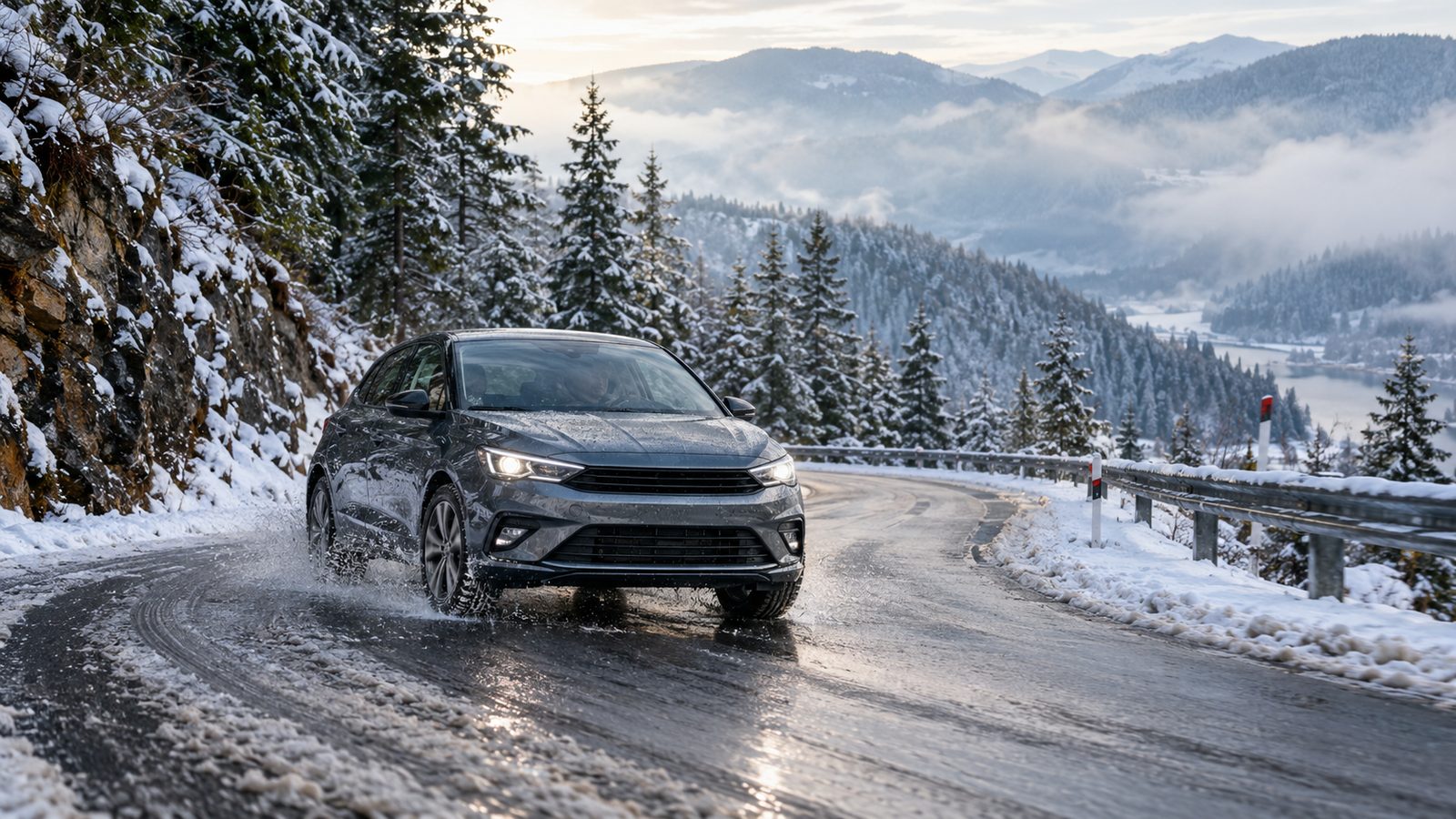
Winter tyres are not just for snow. What matters is temperature: below about 7 °C the rubber compound of a summer tyre hardens and grips less well – even on dry or wet roads. Thanks to a softer compound, winter tyres stay flexible, and their many fine sipes interlock with snow and slush. You can clearly feel the difference in braking distance: on snow, a car on summer tyres can stop many metres later.
Then there is the law. In Croatia, from 15 November to 15 April, winter equipment is mandatory in wintry road conditions: winter tyres with at least 4 mm of tread, or summer tyres with snow chains carried in the car. On many inland routes, such as through Gorski kotar or Lika, this is everyday winter reality. Slovenia, Italy, Austria and Germany also have rules for the cold season – if you travel in winter, check them beforehand.
Winter, summer or all-season tyres: the difference
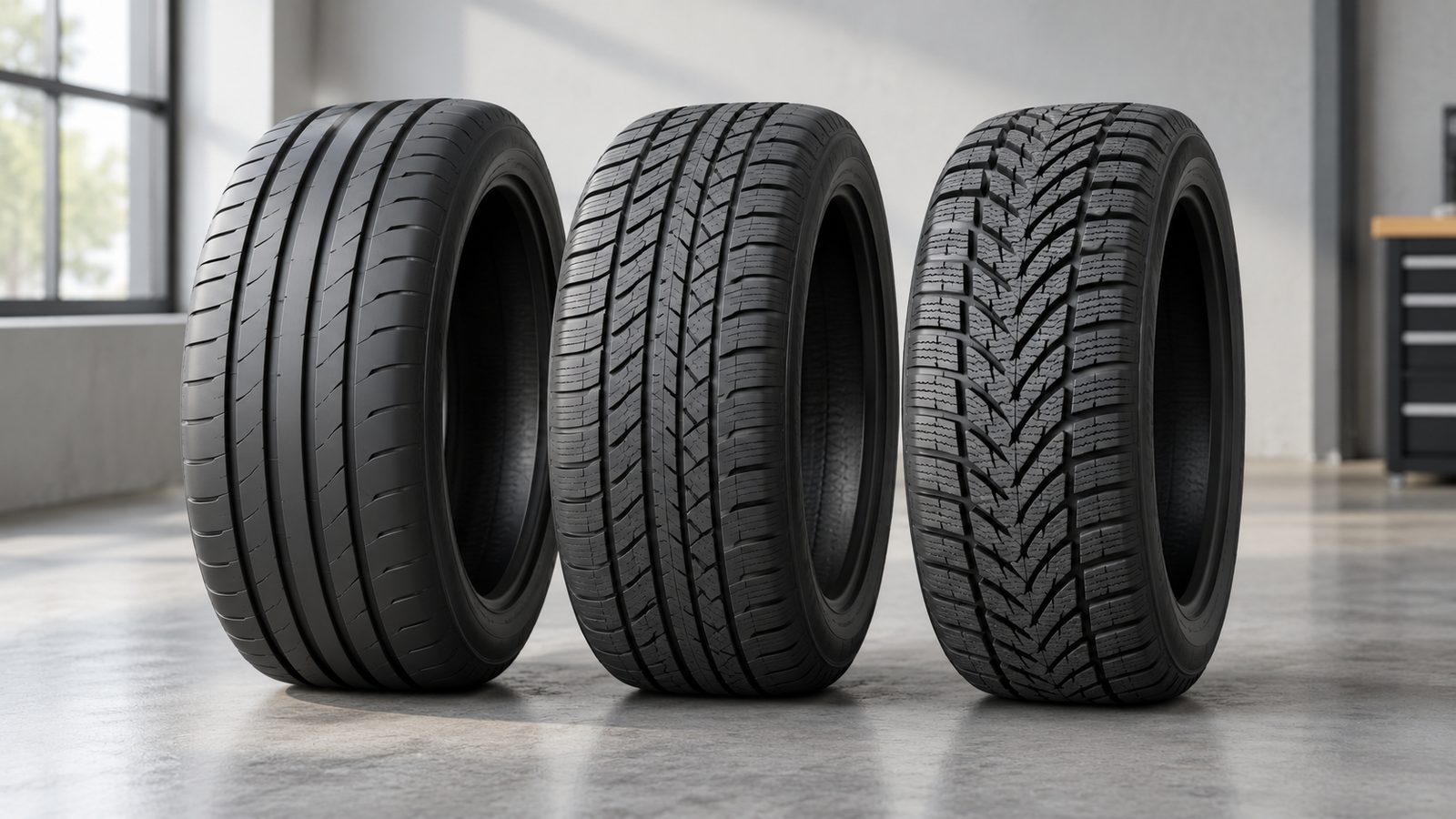
- Summer tyres have a harder compound and fewer sipes. In warm weather they offer the shortest braking distance, the most precise steering and the lowest consumption – in winter they are out of place.
- Winter tyres have a soft compound, deep tread and many sipes. In cold, wet, slushy and snowy conditions they have a clear advantage; in high summer they wear quickly and brake worse.
- All-season tyres are a compromise between the two. Good models carry the Alpine symbol and are therefore officially winter-approved – but neither in deep snow nor at 35 °C do they quite reach the level of the respective specialist.
Is more expensive automatically better?
Not automatically – but the price often has a reason. Premium tyres usually do very well in independent tests, especially when braking on wet and snowy roads. With budget tyres of unknown origin, on the other hand, the differences are sometimes alarmingly large. The good news: in between there are many mid-range tyres and second brands of the big manufacturers that come very close to the top for considerably less money.
- Read the tests: up-to-date tyre tests by motoring clubs and specialist magazines are published every autumn. Pay particular attention to wet and snow braking results.
- EU tyre label: it shows wet grip, rolling resistance and noise and, since 2021, whether the tyre is suitable for snow or ice. It does not replace a test, but it is a good first filter.
- Check the age: the DOT number on the sidewall reveals the production week (e.g. “4224” = week 42 of 2024). Even lightly used tyres harden over the years – better replace them after about eight years.
- Tread depth: the legal minimum is usually 1.6 mm, and 4 mm for winter tyres in Croatia. Experts generally advise that below 4 mm winter performance drops noticeably.
All-season tyres: cheaper than changing twice a year?
If you change twice a year, you pay for fitting every time – and you either need a second set of rims or have the tyres re-mounted each time. Some also pay for storage. With all-season tyres these costs disappear, and you never forget the right moment to change.
But: one set of all-season tyres runs all year and wears out correspondingly faster, while two sets of seasonal tyres share the kilometres and last longer. On balance, all-season tyres save money mainly if you drive little.
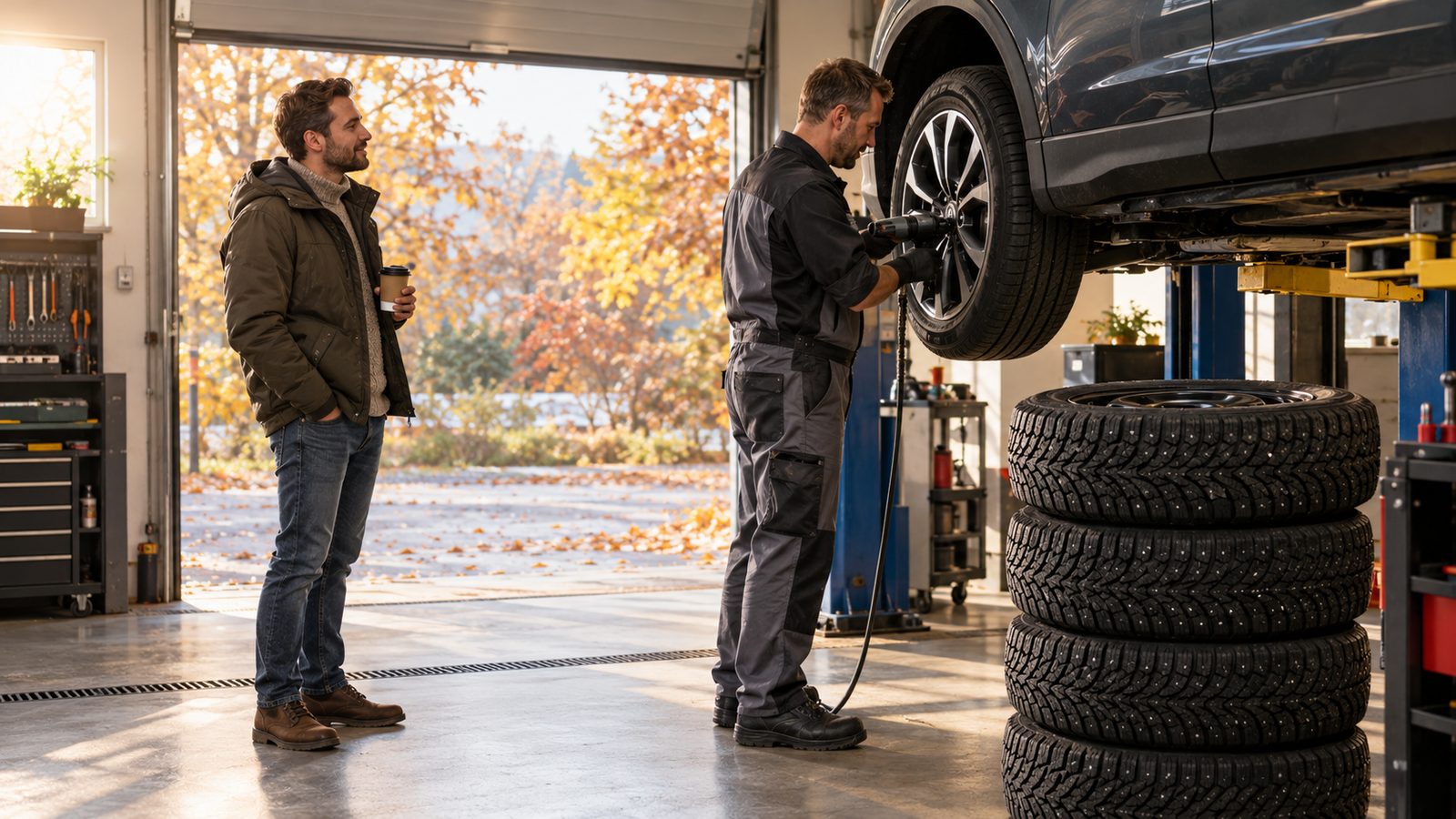
- All-season tyres suit you if you mainly drive in town or on the coast, drive little (roughly under 15,000 km a year), rarely go into the mountains and can stay at home when it really snows.
- Two sets pay off if you drive a lot, regularly have to go inland, into the mountains or the Alps, have a powerful or heavy car or simply want maximum safety in every season.
Our verdict
Winter tyres are not a luxury but safety – at the latest when it gets cold or you drive inland. Expensive is not automatically better, but cheap often comes at a high price: good mid-range or test-winning tyres are usually the most sensible choice. And if you drive little and mainly on the coast, high-quality all-season tyres with the Alpine symbol will serve you well.
Note: this article is for general information only. Legal requirements can change and differ from country to country – please check the current rules before travelling.