voziti magazine · Guide
Used electric cars: what you absolutely must check
Used electric cars have become much cheaper and are a real option for many commuters. The catch: the heart of the car, the battery, can’t be judged from the outside. With these points, you can still buy safely.
The battery is what matters
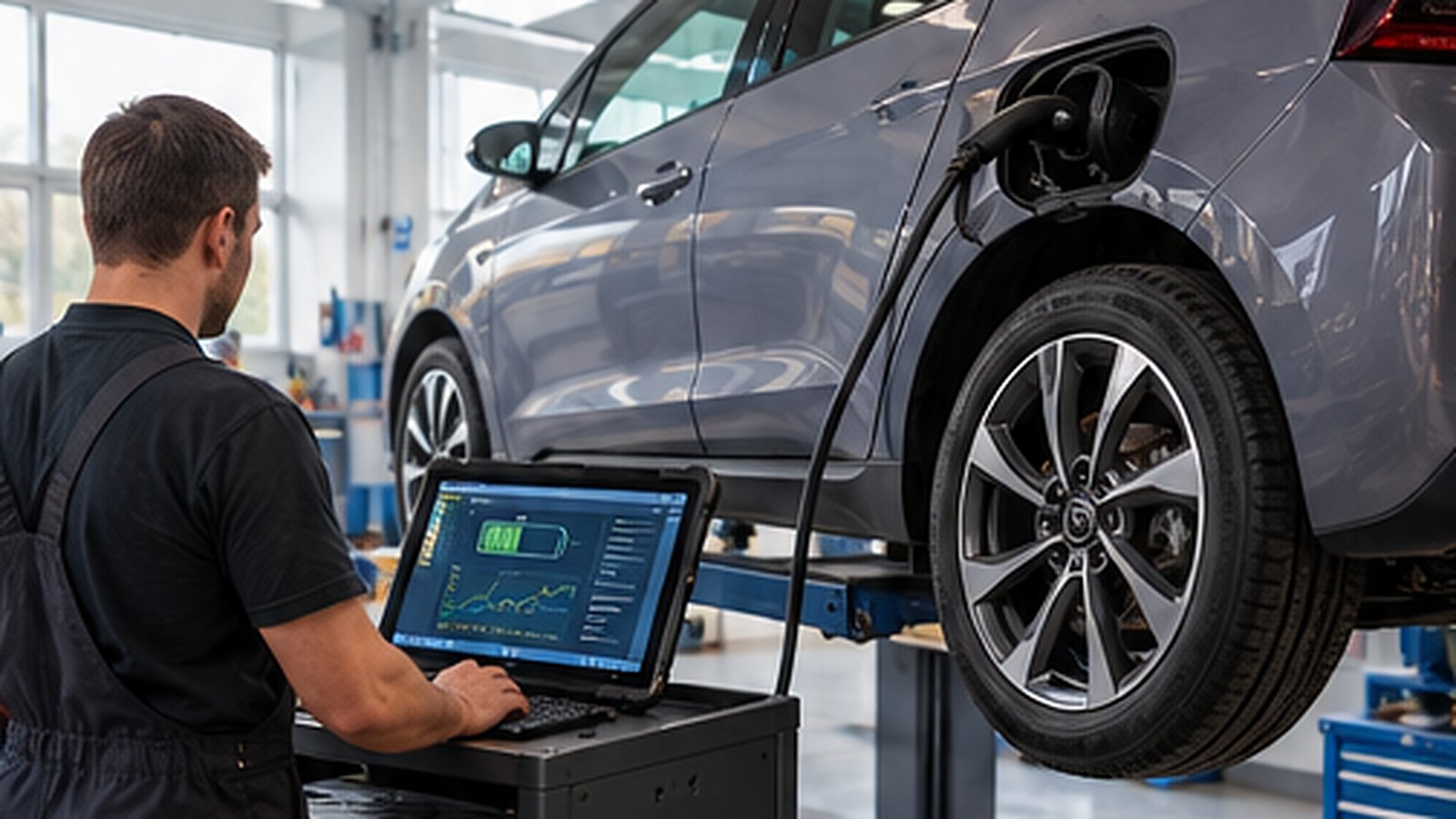
The battery is the most expensive component of an electric car. Over the years it loses some capacity – usually slowly and evenly, but faster in some models or with unfavourable use. What matters is the so-called State of Health (SoH): the remaining capacity compared with when it was new. Values around 90% are considered good for a car a few years old; well below that, the price should be correspondingly lower.
- Ask for a battery certificate: many dealers and workshops can measure the SoH with a diagnostic tool and confirm it in writing. No proof? Negotiate the price or have a test done yourself.
- Check the battery warranty: many manufacturers give a separate battery warranty, often 8 years or 160,000 km for a minimum capacity. How long it still runs and whether it transfers to the new owner is in the paperwork – ask about it.
- Ask how it was charged: mostly at fast chargers or mostly at home? Frequent fast charging and always charging to 100% put more strain on the battery.
- Take accidents seriously: underbody damage can affect the high-voltage battery. With EVs, accident history needs particularly careful checking.
Charging: what the car can – and can’t – do
- Connector: current models charge via Type 2 (AC) and CCS (fast charging). Older models with CHAdeMO find far fewer fast chargers in the region.
- Charging power: how fast does the car charge at home (e.g. 7 or 11 kW) and on the road? For long trips along the coast or abroad, it makes a big difference.
- Heat pump: it noticeably saves range in winter – particularly useful if you drive in the hinterland or the mountains.
- Cables included? A charging cable for public stations and a mobile charger for a household socket can easily cost a few hundred euros new.
Don’t forget the classic checks
An EV has no oil changes and no exhaust – but it’s still a car. Weight and torque often wear tyres faster. Thanks to regenerative braking the brakes are used little and can rust. Also check the suspension, air conditioning and the small 12-volt battery, the most common cause of breakdowns in many EVs. And as with any used car: the service book, recalls and software updates show how well the car has been looked after.
What an EV costs in everyday life
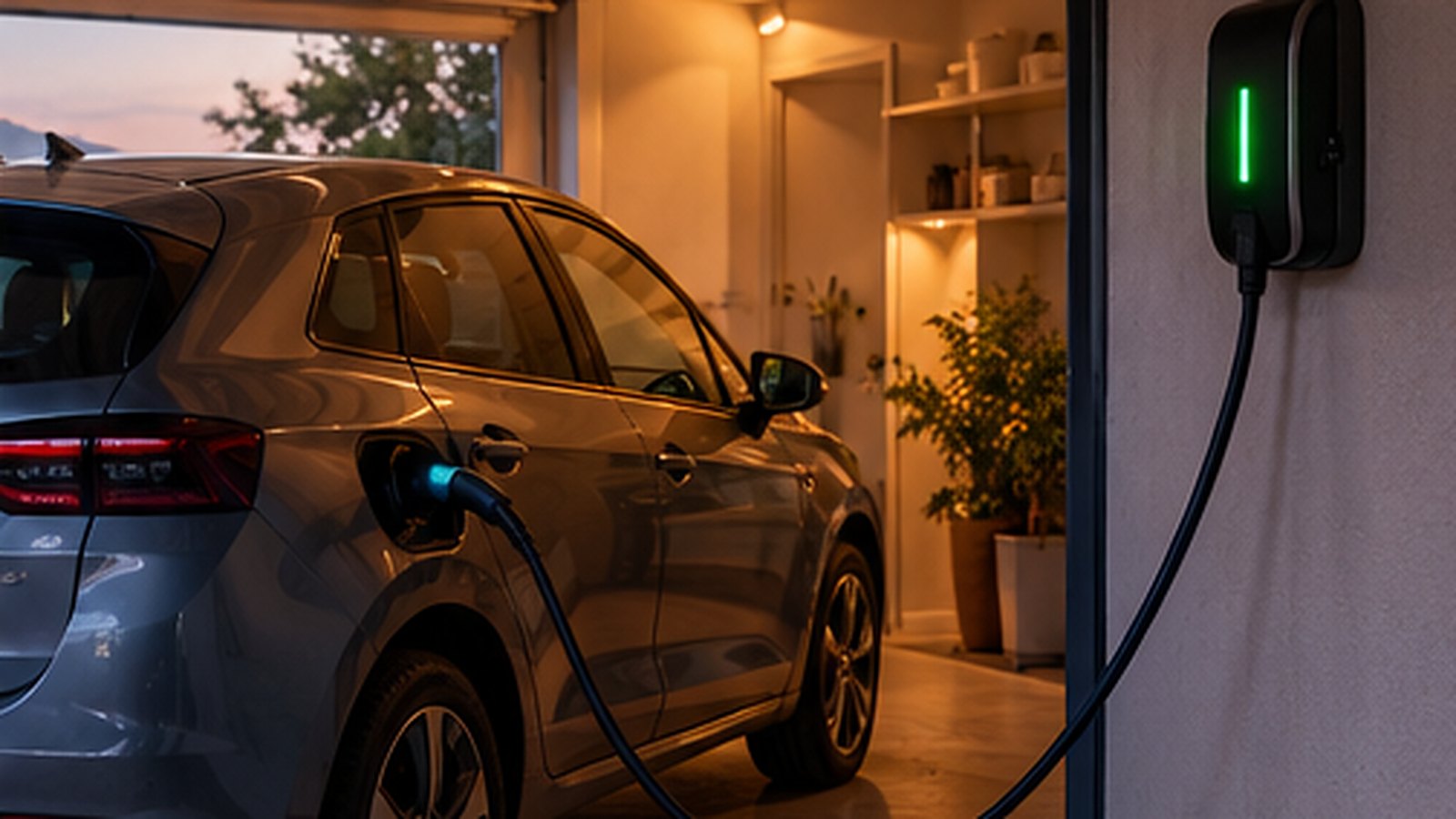
It’s cheapest if you can charge at home or at work. Fast charging on the road is considerably more expensive and – depending on the tariff – can come close to the cost of an economical diesel. On the other hand, oil changes, timing belts, clutches and exhausts disappear. Before buying, do the maths with your own electricity tariff and daily kilometres – for commuters with fixed routes it often adds up.
Test-drive checklist
- Proof of SoH or a battery test available?
- Battery warranty: remaining term and transferability clarified?
- Range display plausible with a full battery?
- If possible, charge once at a fast charger – does the car reach the expected power?
- Handover of charging cables, mobile charger and charging cards agreed?
- Tyres, brake discs, 12-volt battery and underbody inspected?
Note: this article is for general information. Warranty terms and battery values differ by manufacturer and model.